We honor the life of George Verwer, our founder. Read More
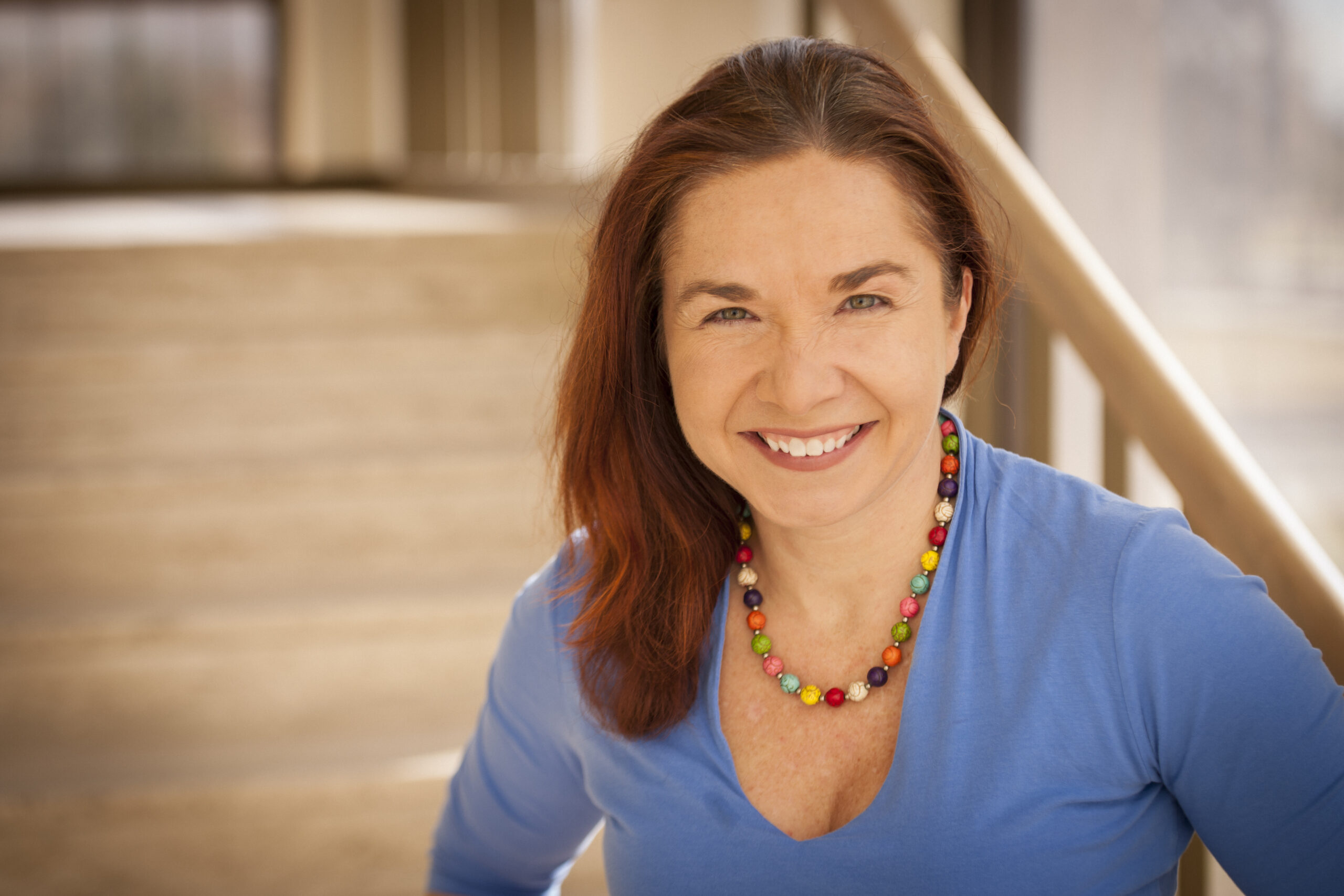
“In the New Testament we’re told to love others as we’ve been loved, and that includes caring for their physical as well as their spiritual needs.” – Dr. Katharine Hayhoe
We have to begin by defining creation, because all too often, we believe creation consists of plants and animals. Of course it does: but it also includes humans! We are also created by God. This means that, when Genesis one says that God gave us responsibility over every living thing, that “creation care” responsibility is to care for each other as well as for all the non-human species God has created.
Something else we need to realize is that we depend intimately on every other aspect of creation for our very lives. Caring for non-human creation, plants and animals, is also caring for ourselves. Everything that we, as humans, have depends on the other living things that God has created in this amazing, interdependent relationship that He has given us responsibility to maintain. For example, almost 70 percent of the oxygen in the atmosphere comes from tiny phytoplankton and kelp in the ocean, and the rest comes from trees. If you think about the food that we eat, it’s grown in the soil and nourished by the water and the nutrients in the soil and the air.
We’re all part of God’s creation, but as humans we have a unique and special role to care for it, which includes caring for our sisters and our brothers at the same time, and sometimes in the same ways.
My family moved to Colombia when I was 9. Growing up there showed me first-hand how vulnerable people are to things that we take for granted in North America. Where we lived, we didn’t always have electricity. We didn’t always have water. When we did have water, you definitely did not want to drink that water. And not only that, but when disaster happened, there were so many more people in harm’s way.
In our comfortable lives we may care about poverty, hunger and lack of access to basic education or health care; but when you experience it yourself, you recognize in a different way how important it is to love your global neighbor by caring for their needs.
We’ve always had droughts and floods and storms. But as the world warms, it’s making these more frequent, more intense, more damaging and more devastating. And in turn, humanitarian issues are getting worse. From poverty and hunger to disease and conflict, as climate changes it’s pushing more people into poverty, increasing food shortages, and impacting more people every year.
For example, Malawi had already outlawed child marriage a number of years ago and child marriage rates start to drop. But then youth workers saw them starting to tick back up.
So they went to the families and asked, “Why are you doing this? You know it’s illegal; you know it’s not good for your daughters.” And they said, “We don’t have any choice. Our crops are failing, the rain doesn’t come when it’s supposed to, and then it comes all at the same time, and it wipes out the crops.”
Too many of those families felt that the only choice they had was to sell a daughter into marriage, so they could feed the rest of their family that year, or the whole family would starve together.
When we put that human face on it, we understand just how devastating these impacts can be and how strongly they’re working against everything that OM is already trying to accomplish.
There are many ways we can make changes in our lives to live in better harmony with this beautiful world God has created and entrusted to us to care for.
Sometimes it’s just little things like figuring out how could I take plastic out of the kitchen. Where can I find the detergents and the soaps and the shampoo that don’t require me to be buying and throwing out plastic bottles, which are really hardly ever recycled? Other times it’s bigger things, like the year my husband got us solar panels for Christmas.
When I found out that we currently throw out enough food every year to give 2 billion people one healthy meal a day, I changed the way I shop and the way we eat. I sold the freezer, put my disposable bags in the truck, found a grocery store between home and work, and started stopping two or three times a week and buying more fresh fruit, vegetables and fish – which is also healthier for ourselves and for the planet – rather than stocking up on weeks of food that might get thrown out.
Here’s the thing, though. The most important way each of us can implement caring for people and the planet into our everyday lives is so simple, we often overlook it. It’s to talk about it! Around the world, surveys show that most people don’t.
If we don’t talk about it, why would anyone care? And if we don’t care, why would we want to do anything about it? That’s why, when I got the opportunity to do a TED talk, that’s what I talked about: how to have a conversation about these issues that helps catalyze action – in our family, our church, our place of work or our community. Wherever we are, action begins with a conversation!
All too often, when I speak with people who are very worried about pollution, and what’s happening to nature, and how that’s impacting our health and our lives, they’re afraid. And when I speak with people who want to reject what I’m saying (which also happens a lot), who don’t want to believe that we’re polluting the air so badly that nearly 9 million people die each year from air pollution or that we’re losing billions of dollars in crops every year as climate change super-sizes extreme events, they’re also afraid.
But fear is not a good motivator for action. It paralyzes us, and it makes us selfish. So that’s why this is my favorite verse, because it says, “God has not given us a spirit of fear.” Instead, God has given us a spirit of power, which is the opposite of being paralyzed. If you are empowered, it means you can act. He’s also given us a spirit of love to think of others and put their needs above our own. And He’s given us a sound mind to make good decisions based on the information He’s given us, much of which comes through science. What is science other than studying this amazing world that God has created?
If we, as Christians, approach these concerns without a spirit of fear, but with a spirit of power, love and using a sound mind, I think that would change the world.
*This interview has been edited for brevity and clarity.
Featured Image: Dr. Katharine Hayhoe. Photo by Artie Limmer. Texas Tech University
Your privacy is always important to us. When you visit our site, we may use cookies to improve your experience by storing information on your browser. These cookies help us understand things like browsing behavior so we can personalize your visit. You can manage your cookie preferences anytime by adjusting your settings. Just keep in mind that blocking some cookies may affect certain website features and functions.