We honor the life of George Verwer, our founder. Read More
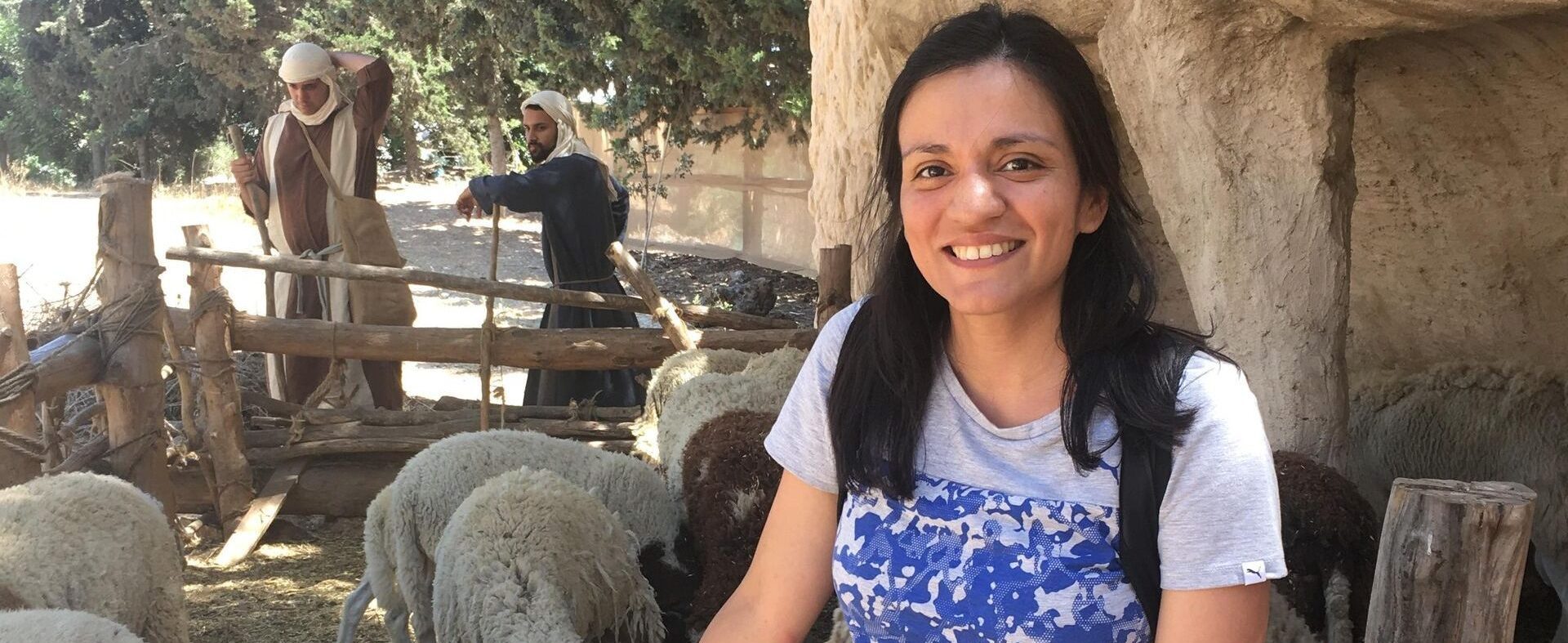
Since 1995, Geraldine has worked globally in OM, communicating what God is doing through His people, encouraging those in difficult places and inspiring other Jesus followers to join in. “I’ve never considered it exactly as servanthood,” she shares. ”I love hearing other people’s experiences of God at work for eternity in and through them.”
“…just as the Son of Man did not come to be served, but to serve, and to give his life as a ransom for many.” —Matthew 20:28 (NIV)
The word “servant” means different things to different people. I think of a domestic helper paid to do menial, repetitive, unglamorous and inferior tasks. The disciples clearly thought so when urging Jesus not to wash their feet (John 13:4-10)!
Michael Green suggests they objected because, “That this One who is so pure and clean should humble Himself to wash off my dirt, to defile Himself with my uncleanness!”* I imagine their sense of indignation and embarrassment when Jesus picked up a towel and began to wash their feet. They knew their feet needed cleaning, but they were certain about who should (and shouldn’t) perform such a degrading task. I still remember the first time our church practiced foot washing during Lent. It wasn’t easy, to be honest.
Yet Jesus repeatedly shows us that people matter far more than their perceived social value. He chose to spend time with, heal and restore people from every level of society, regardless of status or position. Scripture teaches that every person is created by God—unique, loved and made in His image. In His eyes, there are no castes or social rankings, only individuals across the world whom He loves and longs to draw into a personal relationship with His Son, Jesus. The truth is, we are born into societies that decide who is valuable.
Born into a middle-class English family whose aim was to amass wealth, follow educational excellence and seek identity in being “better” than others, made my life challenging, competitive and judgmental. It also shaped me. As did my parents’ influencing experience of living in colonial West Africa in the 1940s, with the assumptions of skin color determining human value.
When I became a follower of Jesus in 1983, I had to confront and change my ideas about purpose, identity and the value of the individual—no matter their race, experience, intellect, wealth or achievements. My parents’ aims did not fit into the Jesus of the Bible, who extends His love, acceptance and value towards all of His Creation, without condition. As Jesus followers, we are also Jesus bringers, demonstrating His invitation in John 4:29 to “Come, see a Man who has told me everything that I ever did!” to be accepted and loved as ourselves.
Two questions began to plague me: How will those on the edges of societies across the world get to hear of that love, extended through Jesus willingly dying on a cross, so that each person could walk free of the penalty of their own sins to live in freedom? His death, given in love, paid our penalty for our sin, demonstrates the ultimate servanthood of an extraordinary, unique God-made-flesh who rose to life again—an act of love we consider during every run-up to Easter. How does global servanthood for Jesus followers work?
In 1988, Jesus followers began reaching out in the South Asian subcontinent to Dalits or Harijans, who were unable to escape the poverty trap. Dalits were held in such low esteem that they did not even exist in the caste system. They were expected to perform undesirable functions as scavengers, latrine cleaners and street cleaners—I saw a family collecting animal dung to bake to make dwelling walls. Those of higher status or caste weren’t “polluting” themselves or others by touching anything “unclean,” like dung.
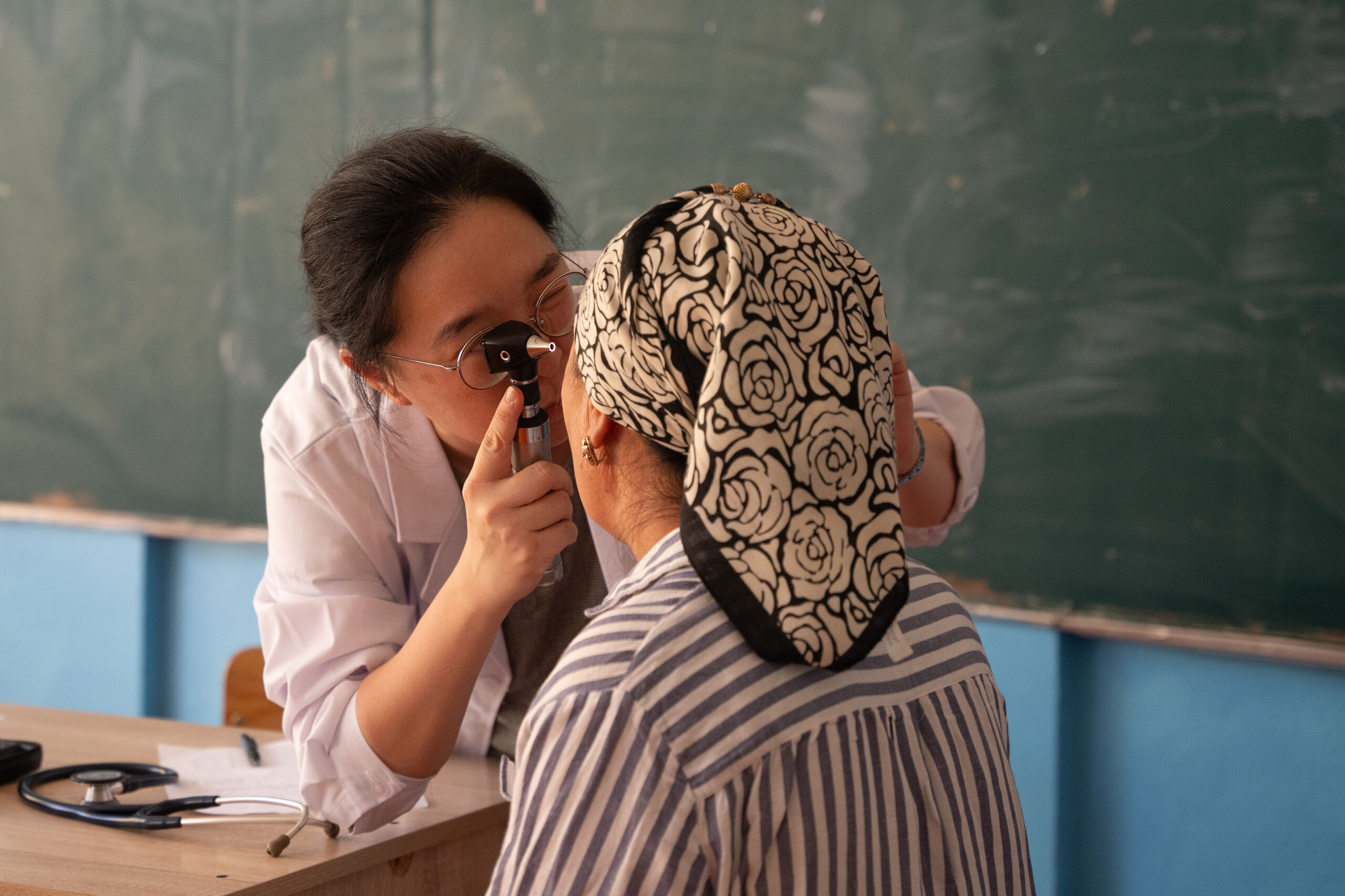
In offering medical clinics, education for children, adult literacy classes, vocational and business training and more, these Jesus followers began slowly to break the cycle of poverty and oppression in Dalit communities.
Global societal “untouchables” also include migrants and refugees. Considered as aliens, without national status or rights, they are exiles from their country of origin, often fleeing to stay alive. My heart aches for their displacement and trauma—Jesus was a refugee in Egypt.
Over the past decade, Greece has seen a dramatic increase in refugees and migrant laborers. Many vulnerable women have been forced into the sex trade simply to survive and send small amounts of money home. Debt bondage and human trafficking have created “survival sex”—even among children. It is far from glamorous and incredibly dangerous, even for those like Rosie who try to help.
Rosie, a follower of Jesus, says God prompted her out of her comfort zone to care for vulnerable women in Greece, by establishing a non-profit organization that provides a healthy working alternative to their current reality of abuse, exploitation or trafficking. Instead, it offers them dignity and hope for the future. As a woman, I am deeply touched by her servant heart for these vulnerable women. None of us choose where we are born or the circumstances, but as adults, we might have opportunities to choose what will shape our lives.
I know that neither I nor any of these Jesus followers would regret our decision to serve, rather than be served. We have received more joy in valuing and loving others practically, in simply doing what God asked us to do.
Could you, with me, ask God this Lent: “Where might I serve our beloved Master next in reaching out to those who cannot help themselves?”
Pray for the message of Easter to be taken and shared, and free those in bondage across the globe. Pray for Jesus followers to reach out to the marginalized in their societies and seek to bring change, and break the cycles of poverty and oppression. Pray for God’s answer to the refugees, migrants and displaced of the world who are casualties of war, greed and famine – what does He want His People to do? (Are we willing to do our part, whatever it is?)
*Green, M. (2000, p.30) Take My Life. Carlisle & Waynesboro: Paternoster Publishing
Want to keep up with and pray for OM’s ministries? You can sign up to receive our prayer newsletters here.
Your privacy is always important to us. When you visit our site, we may use cookies to improve your experience by storing information on your browser. You can manage your cookie preferences anytime by adjusting your settings. Just keep in mind that blocking some cookies may affect certain website features and functions.